The modern retail environment demands a complete, centralized view of every customer's digital journey, from the first click to post-purchase support. Disconnected systems like your ecommerce platform, email marketing tool, and customer service desk fracture data, making personalized marketing impossible and limiting your ability to scale profitable campaigns. To deliver targeted experiences and maximize revenue, you need specialized crm solutions for ecommerce that unifies sales, marketing, and order history, serving all customers. An e commerce CRM platform goes beyond traditional CRM by focusing on behavioral data and precise customer segmentation. This requires sophisticated data architecture, robust integration with your online store, and clear strategies for customer retention. We specialize in configuring and implementing the best CRM solutions designed specifically for high-growth digital retailers, guaranteeing better Average Order Value (AOV) and stronger Customer Lifetime Value (LTV). This is essential crm for ecommerce brands. We build the data foundation necessary for true one-to-one marketing at scale, specializing in building profitable customer relationships.
Start Your Ecommerce Data Review

Relying on disparate systems for customer management, where order data is separate from marketing engagement, generates significant commercial risks.
Inaccurate Segmentation: Without unified data, marketing efforts rely on broad customer segments, resulting in irrelevant communications, low click-through rates, and wasted advertising spend.
Abandoned Revenue: Inability to trigger timely, personalized abandoned cart recovery campaigns because order history and session data are siloed from the communication system.
Inefficient Support: Customer service agents lack immediate access to order, shipping, and product history, leading to slow, impersonal support interactions that destroy customer experience.
Fragmented Loyalty: Loyalty and reward programs are decoupled from actual purchase behavior, confusing customers and failing to incentivize the necessary repurchase loop.
A correctly implemented Ecommerce CRM provides the foundational technology to drive hyper-personalization, optimize marketing spend, and sustain long-term LTV growth.
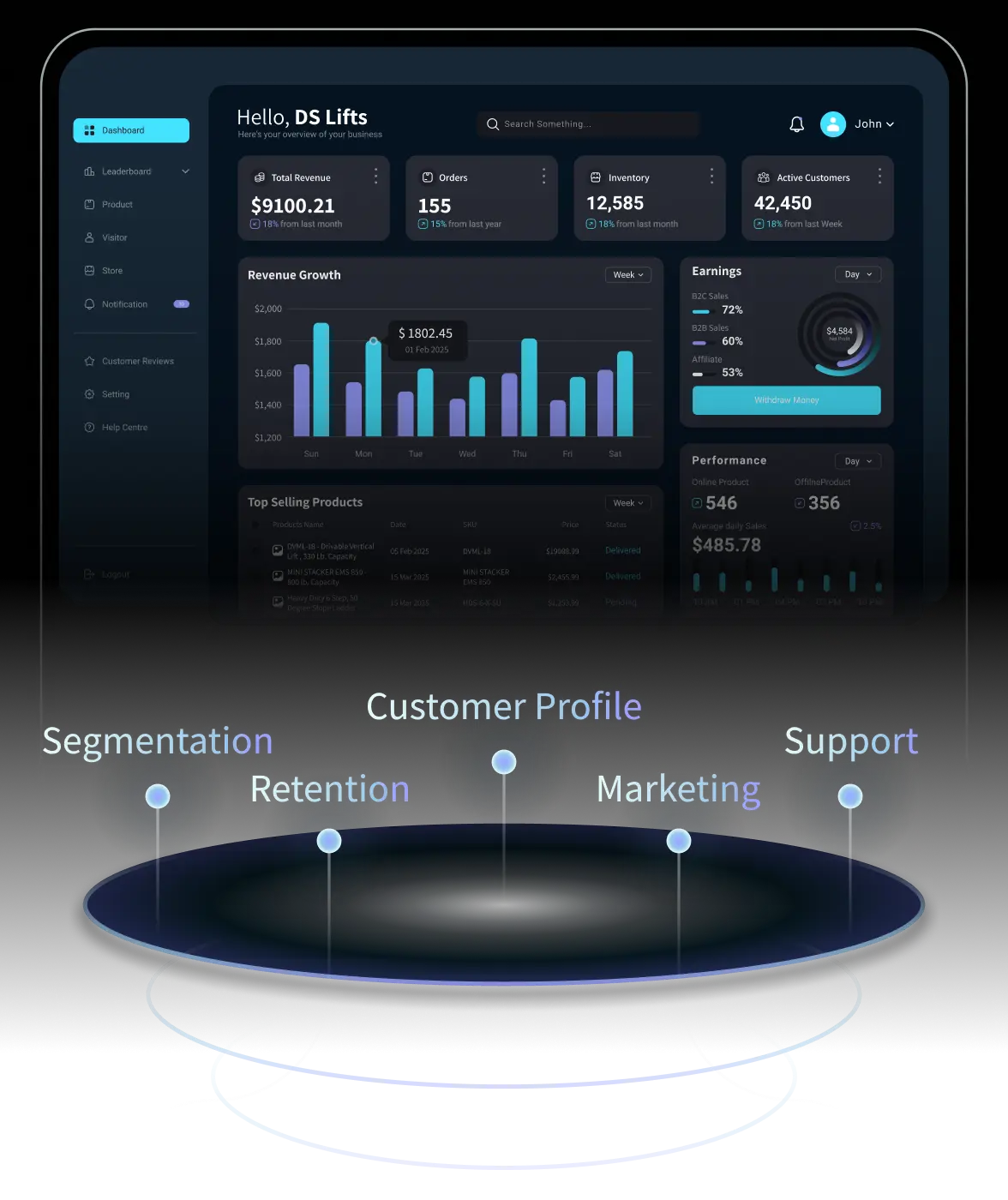
Unified Customer Profile: Centralized visibility into all browsing, purchase, and support history, enabling truly individualized customer interaction.
Precision Segmentation: The ability to build highly specific audiences based on purchase frequency, brand affinity, or next-likely product purchase, optimizing campaign performance.
Automated Retention: Triggering sophisticated email and SMS flows for abandoned carts, post-purchase follow-up, and win-back campaigns based on real-time data.
Smarter Marketing: Leveraging deep segmentation and LTV data for more accurate ad targeting and lookalike audience creation, improving return on ad spend.
Many CRM projects in the digital commerce space fail because consultants fail to account for the velocity and volume of transactional data involved. They attempt to shoehorn high-volume order records into traditional B2B CRM structures, which results in database bloat, performance bottlenecks, and unusable segmentation models. Our expertise is focused squarely on the ecommerce business; we architect crm management for ecommerce solutions that manage massive transactional datasets efficiently. We understand the specific integration requirements of digital commerce platforms, subscription services, and physical retail (omnichannel). Our methodology prioritizes data modeling and segmentation to make sure the CRM system delivers measurable results in customer retention and targeted marketing performance. Our dedicated crm services for growing brands are designed for scalability. We are not generalist crm experts for small business but focus on growth-stage commerce.
We begin with an exhaustive assessment of your current technology stack, focusing heavily on the flow and structure of customer data between the commerce platform, ERP, and marketing tools. We review all existing data points, identifying gaps in customer journey tracking, often using specialized CRM software tools, and opportunities for segmentation. We conduct deep interviews with marketing, sales, and inventory teams to understand the commercial rules that govern segmentation, loyalty, and customer outreach. This work defines the core customer profile model and the necessary data flows for ecommerce segmentation.
A critical part of our discovery is data governance planning. We map the customer data journey from the initial click to final delivery and customer service interaction. We establish data ownership rules, define validation parameters for transactional fields (e.g., order value, product IDs), and set standards for data cleansing. We assess transactional volume and latency requirements to correctly size the platform database and design the integration architecture. This precise data modeling is the foundation upon which all personalization and loyalty strategies are built.


Architecture precedes all implementation tasks. We design the optimal ecommerce CRM software environment, whether cloud-native, hybrid, or entirely bespoke, confirming it handles high-volume transactional data efficiently and securely. We define the integration points necessary to connect the CRM system to the commerce platform (e.g., Shopify, Magento, SFCC) and the required data warehouse for analytics. We develop a clear plan for managing customer identifiers (IDs) across disparate systems to guarantee a unified customer view. We can help as hubspot crm consultants and offer hubspot crm agency services.
Our ecommerce CRM platform selection process is rigorous and objective. We evaluate industry-leading ecommerce CRM platforms based on your specific transactional volume, complexity of required segmentation, marketing automation needs, and budget. Our best CRM selection process helps identify the ideal platform for your business. We prioritize solutions with robust APIs and native commerce connectors. The final CRM system architecture blueprint includes security protocols, user permissions, and a clear data retention policy. We confirm the chosen architecture is scalable for peak shopping seasons and future growth. For those using that platform, we offer specialized hubspot crm management and also provide klaviyo crm management and klaviyo crm consultants expertise.

Transactional data migration is the most sensitive phase. We treat the process as mission-critical, mapping complex order histories, customer profiles, and product catalogs from legacy or current systems into the new CRM environment. This requires sophisticated data transformation logic to harmonize product identifiers, currency formats, and historical promotional codes.

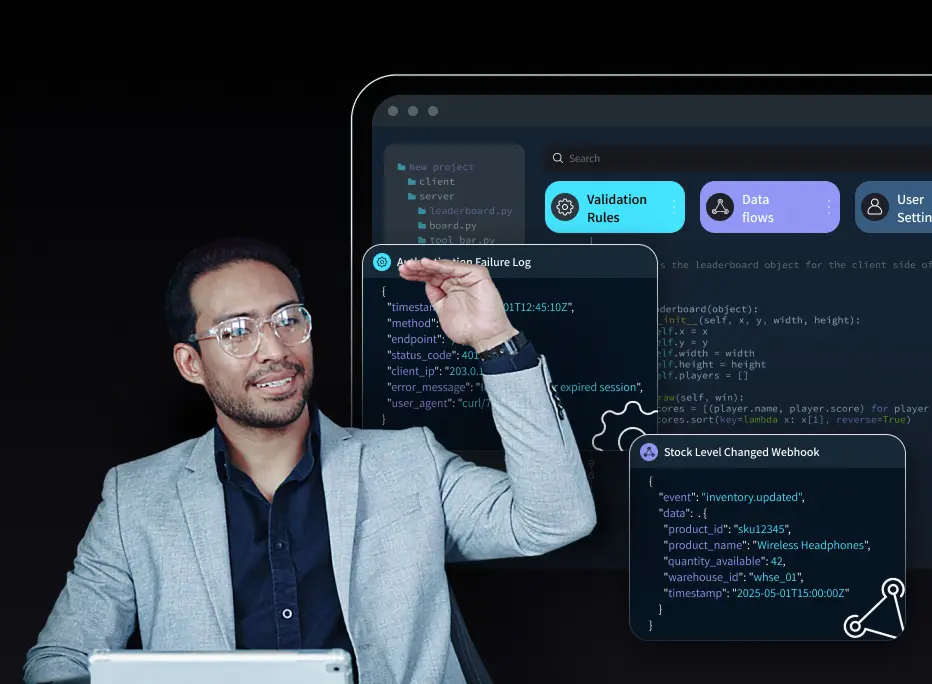
Before any final migration, we execute rigorous data cleansing of all customer information, validation routines. We eliminate duplicate customers, correct formatting errors in addresses, and flag incomplete transactional records. We perform multiple rounds of testing in a staging environment to confirm data accuracy and system performance under simulated load.
The final migration is executed during a defined maintenance window with comprehensive rollback procedures in place. Post-migration validation confirms the live CRM accurately reflects the source data, securing data integrity for immediate use by marketing and service teams. This meticulous process safeguards customers’ trust and confirms that the new platform delivers accurate insights immediately.
One of the most frequent mistakes is failing to integrate the product catalog correctly, which cripples personalization engines and marketing segmentation. Treating the CRM as merely an email marketing tool repository ignores valuable transactional context. We prevent this by establishing the customer profile as the primary data structure, tying every interaction to a single identifier. Another critical error is implementing ecommerce CRM software automation before data quality is assured, resulting in automated errors, spamming customers, and damaging brand perception. We enforce strict data hygiene rules globally.
Many organizations underinvest in performance testing for peak sales events (like Black Friday or holiday seasons). An overloaded CRM during peak times can lead to broken cart abandonment flows and lost revenue. We mandate load testing on all production environments. Furthermore, neglecting customers permissions and privacy regulations (GDPR, CCPA) during data transfer poses severe legal risk. We build explicit compliance mechanisms into the data architecture. This is critical crm for dtc brands.
We execute comprehensive testing across all phases: unit testing for custom code, integration testing for commerce platform connectors, and end-to-end user acceptance testing (UAT) with live user groups. We focus heavily on validating complex segmentation logic and testing the speed of transactional record retrieval under high concurrency. We perform load testing to confirm system stability during peak transactional periods.
Deployment is handled via strict change management protocols. We establish clear go-live criteria and comprehensive rollback plans. Our team provides custom training tailored to marketing, sales, and service teams, focusing on the new customer profile and segmentation tools. Continuous monitoring tracks system performance, integration health, and key customer lifetime value (CLV) metrics post-launch, confirming the platform delivers expected commercial returns. This is particularly valuable crm for shopify brands needing specialized deployment.

Consulting on the best data structure and governance models for integrating disparate customer data sources into a unified profile.
Building reliable, real-time integrations between your chosen ecommerce CRM and core commerce platforms (Shopify, Magento, etc.). Commerce integration relies on capturing detailed customer behavior data.

Developing complex rules based on purchase history, product affinity, and website behavior to create highly targeted customer engagement segments.

Designing and deploying automated customer journeys for welcome series, email marketing loyalty programs, and cart abandonment recovery.

Configuring the platform to deliver personalized content across all touchpoints, including email, website, and physical retail.

Integrating subscription billing and customer lifecycle management tools with the ecommerce CRM platform.

Building secure ETL/ELT pipelines to transfer ecommerce CRM and transactional data to the central data warehouse for unified reporting.

Implementing customer service data governance policies and technical controls to confirm adherence to global privacy regulations (GDPR, CCPA).

Tailored training programs and change management initiatives focused on maximizing long-term platform utilization by commercial teams.

Post-implementation performance tuning, configuration audits, and CRM software health checks to confirm long-term scalability.

Developing custom reports and dashboards that track and project customer value, informing strategic budget allocation.

Assessment of your existing CRM tool, marketing automation, and commerce tools to identify gaps and integration requirements.

We are specialists in digital commerce environments, not generalist technology vendors. Our team understands the critical nature of transactional speed, inventory accuracy, and the specific lifecycle of the online shopper. This focus allows us to anticipate and prevent the common performance and data modeling pitfalls that plague generic ecommerce CRM implementations in the ecommerce business sector. We configure your platform to handle traffic spikes and complex omnichannel journeys with stability.

Our methodology begins with the data. We prioritize building a resilient, unified customer profile and segmentation layer before activating any marketing campaigns. This strategic approach prevents irrelevant messaging and confirms that every automation, from email triggers to site personalization, is driven by accurate, real-time customer behavior. We transform raw data into a reliable asset for personalized customer outreach.

Digital commerce operates under constant load. We architect CRM solutions with performance and scalability as non-negotiable requirements. Our experience includes load testing for holiday spikes and integrating platforms that process thousands of orders per hour. We confirm that your ecommerce CRM not only works today but is built with the reserve capacity required to manage substantial future growth and market changes. We help you choose the best CRM practices for your operations.

We act as your long-term strategic advisor, not just a service provider. Our engagements extend beyond platform deployment. We help define your customer segmentation strategy, refine loyalty programs , and continuously optimize the platform to meet evolving commercial targets. We provide the expertise necessary to maintain data quality and secure compliance as your global footprint expands.
Stop struggling with generic customer views and fragmented data. Partner with specialists who understand retail complexity and the power of a unified customer profile. Contact our team today to discuss your digital commerce strategy and confirm how a specialized CRM solution can drive LTV and scale your revenue for all customers.
Ecommerce relies on customer behavior data (browsing, abandoned carts) and customer segments for personalization. A generic CRM cannot handle the volume, speed, or unique transactional data model required to drive customer engagement and customer retention strategies. Our solutions are designed specifically for this high-volume environment.
Critical features include native product catalog integration, multi-channel marketing automation (email/SMS), advanced segmentation tools based on purchase history, and real-time integration with the online storefront to track customers’ actions. Without these, personalization is impossible.
We specialize in integrating major platforms like Hubspot CRM, Shopify (Plus), Magento, Salesforce CRM, and custom APIs. Our approach focuses on building robust data pipelines regardless of the underlying storefront technology. We guarantee reliable, continuous data exchange.
Security is fundamental. We implement strict user permission models, data masking, and access controls. Our governance strategy confirms that the platform adheres to all relevant global data privacy regulations (GDPR, CCPA) from the architecture phase.
The CRM captures the cart data in real-time, allowing email marketing automation tools to immediately trigger a personalized communication flow (email, SMS). By integrating product catalog data, the message can include specific item images and direct links, significantly improving customers recovery rates.
We focus on metrics that directly impact revenue and profitability, primarily Customer Lifetime Value (LTV), Average Order Value (AOV), Repeat Purchase Rate, and Customer Acquisition Cost (CAC) efficiency. These are continuously monitored post-launch.
Yes, the CRM acts as the central intelligence layer for loyalty. It consolidates purchase history, points status, and redemption eligibility, feeding that data to the loyalty application to drive targeted member communication and personalized offers, improving customer engagement.
We establish automated, scheduled feeds or real-time API connections between the ERP/PIM and the CRM to confirm the product catalog (SKUs, pricing, inventory status) is always accurate for segmentation and marketing personalization.
Data migration for ecommerce is complex due to the high volume of historical orders and customer profiles. We use a phased approach involving data cleansing, strict mapping of legacy fields, and multiple validation checks to confirm high fidelity upon go-live.
The ERP manages financial and inventory logistics (back-office). The CRM manages customer relationships and commercial activity (front-office). Integration between the two is mandatory for accurate service and inventory visibility.
Depending on integration complexity (especially ERP and custom solutions), implementation typically ranges from 6 to 12 months for a complete deployment covering sales, marketing, and service.
Yes. We offer continuous managed services for platform maintenance, security updates, integration monitoring, and strategic configuration changes, confirming the CRM remains optimized for market demands for our customers.
Ready to make a move? Drop us your info and we’ll get right on it.
Arctic Leaf Inc. needs the contact information you provide to us to contact you about our products and services. You may unsubscribe from these communications at anytime. For information on how to unsubscribe, as well as our privacy practices and commitment to protecting your privacy, check out our Privacy Policy.
Join our list for expert tips on CRO, UX, and ecommerce strategy. Plus early access to tools, audits, and insights.
Your partner in superior digital solutions.