



BigCommerce Development
Dunning Golf
Campaign Management · Email Automation · Custom Design
Read the case studyE-commerce success depends on removing friction from the buying process while maintaining brand identity and product appeal. Great online stores make purchasing feel effortless, guiding customers from product discovery through checkout without creating doubt or confusion. We approach every project by analyzing your specific products, target customers, and competitive landscape to identify opportunities for improvement that generate measurable revenue increases through strategic ecommerce optimization. Our ux design for b2c websites process begins with comprehensive research into your current performance metrics and customer behavior patterns. We analyze where customers drop off in your funnel, which pages have the highest exit rates, how customers interact with product filtering, and what percentage of traffic converts on mobile versus desktop. This data-driven foundation allows us to prioritize optimizations that will generate the greatest return on investment rather than implementing generic best practices that may not suit your specific business model. Understanding e commerce performance metrics is critical to our optimization approach.
BigCommerce Development
Campaign Management · Email Automation · Custom Design
Read the case study


Platform Migration
Accessibility Compliance · Custom Development · UX Audit
Read the case study





Custom UX
Accessibility Compliance · UX Research & Prototyping · Custom Development
Read the case study


Custom Theme Development
B2B/Wholesale · Custom UX · Custom Features
Read the case study

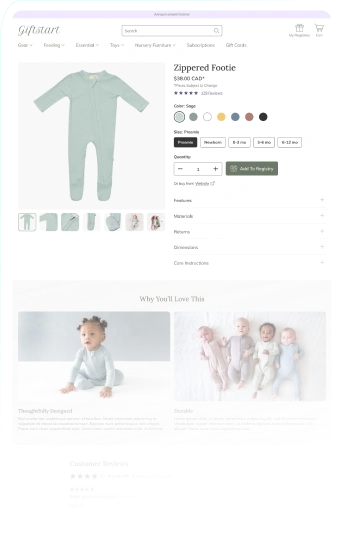
Product pages are the critical conversion point where browsers become buyers. These pages must showcase products attractively while providing all information customers need to make confident purchase decisions. We optimize product imagery, write compelling descriptions, design effective layouts, and strategically place trust signals that reduce purchase anxiety. Small improvements to landing page conversion rates compound dramatically across entire catalogs.
High-quality product photography is non-negotiable in e-commerce. Customers can't touch or examine products physically, so images must compensate by showing products from multiple angles, demonstrating scale, and highlighting important details. We implement image galleries that load quickly while displaying products beautifully, zoom functionality that reveals texture and quality, and lifestyle photography that helps customers envision products in use. Professional ecommerce photography drives conversion rates significantly.
Product descriptions must answer questions and overcome objections proactively. We structure information hierarchically with key features prominent and detailed specifications available for customers who want them. Clear sizing information, material details, care instructions, and shipping timelines prevent purchase hesitation. Reviews and ratings provide social proof that builds confidence, especially for new customers unfamiliar with your brand.
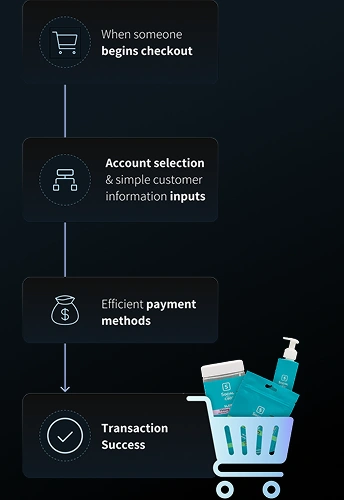
Cart abandonment represents lost revenue that can be recovered through checkout optimization. The average online store loses nearly seventy percent of customers who add items to cart before completing their purchase. Checkout flows fail when they're too long, ask for unnecessary information, surprise customers with unexpected costs, or create uncertainty about security and delivery. We redesign checkout experiences to be fast, transparent, and confidence-building.
Form field optimization reduces friction dramatically. Every additional field increases abandonment risk, so we ruthlessly eliminate unnecessary questions. Guest checkout options prevent account creation from blocking purchases. Address autocomplete speeds data entry. Clear error messages help customers correct mistakes without frustration. Payment method variety accommodates customer preferences, from credit cards to digital wallets to buy-now-pay-later services.
Transparency about shipping costs and delivery timelines is critical. Customers abandon carts when unexpected shipping charges appear at checkout. We design experiences that communicate shipping costs early, offer multiple shipping options with clear price and timeline tradeoffs, and provide order tracking capabilities that reduce post-purchase anxiety about delivery status. These elements are fundamental to any successful ecommerce website.

Mobile traffic now represents the majority of e-commerce visits for most retailers, yet mobile conversion rates typically lag desktop significantly. This gap represents enormous opportunity for stores willing to design mobile experiences from scratch rather than adapting desktop layouts. Mobile shoppers face different constraints including smaller screens, touch-based navigation, slower connections, and different usage contexts that require specialized design approaches tailored specifically for mobile ecommerce.
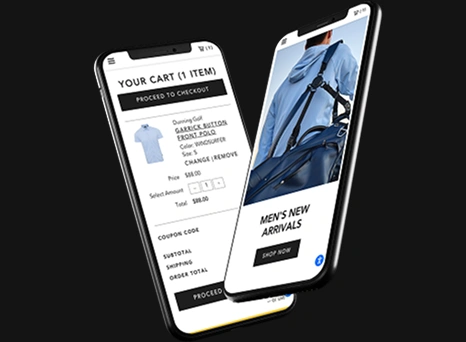
Touch targets must be sized appropriately for fingers rather than mouse cursors. Buttons and links need sufficient spacing to prevent mistaps. Navigation should be simplified because complex mega-menus don't work on small screens. Product filtering must be accessible without requiring awkward scrolling. Checkout forms should minimize typing through smart defaults and autofill capabilities. These tactical considerations combine to create mobile shopping experiences that convert through superior user experience design.
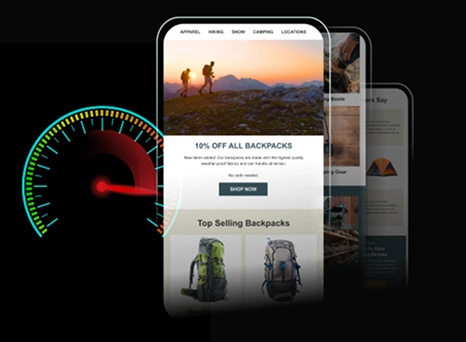
Page speed matters even more on mobile devices where network connections vary. We optimize images specifically for mobile viewports, implement lazy loading for below-the-fold content, and minimize JavaScript that blocks rendering. Fast page loads keep shoppers engaged and reduce bounce rates that kill conversion. Every second of load time costs sales, so website performance optimization is fundamental to mobile commerce success.
Customers who can't find products they want will leave to shop elsewhere. Navigation and search systems must help customers discover products efficiently whether they know exactly what they want or are browsing for inspiration. We design intuitive category structures, implement powerful filtering, and optimize search functionality to reduce friction between product interest and product discovery.
Category organization should match how customers think about products rather than internal organizational structures. Mega-menus provide an overview of product range while allowing quick navigation to specific subcategories. Breadcrumbs help customers understand where they are in site hierarchy and backtrack easily. Featured collections create curated shopping experiences that showcase seasonal products or marketing campaigns.
Search functionality must handle queries intelligently including common misspellings, synonyms, and partial matches. Results should be relevant and sortable by price, popularity, or other attributes customers care about. Filters allow refinement by size, color, brand, price range, and product-specific attributes. Faceted search that narrows results progressively helps customers find needles in large product catalogs efficiently.
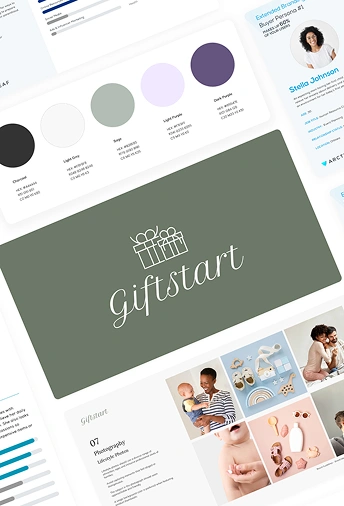
E-commerce visual design must balance aesthetic appeal with functional clarity. Beautiful product presentation attracts attention and builds desire, but layouts must remain scannable and calls-to-action must be obvious. We develop design systems that maintain brand identity while optimizing for conversion through strategic use of color, typography, imagery, and whitespace that guides attention toward purchasing actions. Our web design approach prioritizes both aesthetics and functionality.
Color psychology influences purchasing decisions. Color schemes should reinforce brand identity while creating emotional responses appropriate to products. Calls-to-action use contrasting colors that make buttons unmistakable. Consistent color application creates familiarity that makes navigation intuitive. Typography affects both readability and brand perception, with font choices communicating personality while maintaining legibility across devices and sizes.
Product photography style sets the tone for entire shopping experiences. Consistent lighting, backgrounds, and angles create professional presentations that build trust. Lifestyle imagery shows products in context and helps customers visualize ownership. Detail shots highlight craftsmanship and materials. We establish photography guidelines that maintain quality standards across expanding catalogs while remaining achievable operationally.
Working with specialized e-commerce design experts means partnering with professionals who understand that online retail requires different approaches than other website types. We stay current with platform capabilities, payment technologies, and emerging shopping behaviors so your store remains competitive as customer expectations evolve and new competitors enter your market. Our website design services focus specifically on e-commerce conversion optimization.
We focus exclusively on e-commerce rather than treating online stores as just another website type. This specialization means we understand nuances of shopping cart abandonment, page optimization, mobile commerce, inventory display, promotional design, and transactional experiences that generalist agencies miss. Our portfolio demonstrates consistent revenue improvements across diverse product categories and price points through expert ecommerce website design.
We work with all major e-commerce platforms including Shopify, WooCommerce, Magento, BigCommerce, and custom solutions. This platform flexibility means we recommend technologies suited to your specific business requirements rather than forcing solutions to fit preferred systems. We understand the capabilities and limitations of each platform, allowing us to design within realistic constraints while maximizing what's possible. Our team includes web development experts who can implement designs across any platform.
Opinions about what will increase sales rarely match reality. We base all recommendations on analytics data, user testing, and A/B test results rather than aesthetic preferences or industry trends. This empirical approach generates measurable improvements because changes are validated with real customer behavior before full implementation across your store.
We measure success by business outcomes rather than design awards. Our reporting focuses on metrics that matter including conversion rate improvements, average order value increases, cart abandonment reductions, and overall revenue impact. This business focus means our work generates return on investment rather than simply looking modern or following current design trends.
Stop losing sales to poor e-commerce design and checkout friction. Our proven optimization methodology has helped hundreds of online retailers dramatically improve conversion rates and increase revenue through strategic design changes informed by real customer behavior. Schedule your comprehensive store audit today and discover exactly where your e-commerce experience is losing potential customers. Our solutions integrate with your digital marketing efforts to maximize return on every visitor.
Whether it’s a new storefront or a stronger brand,
tell us what you have in mind.