





Custom UX
Gift Start
Accessibility Compliance · UX Research & Prototyping · Custom Development
Read the case studyYour product catalog contains millions of SKUs with complex hierarchies that standard platforms struggle to manage efficiently
Business rules for pricing, inventory, and fulfillment vary by customer type, region, and contract in ways that require custom logic that plugins can't provide
Performance suffers under the load of high traffic volumes and large transaction processing requirements during peak periods
Integration with existing ERP, CRM, and warehouse management systems fails because standard connectors lack the sophistication you need
Multi-channel requirements across web, mobile, marketplaces, and physical retail demand flexible content delivery that monolithic systems can't provide
Headless architecture separating frontend presentation from backend commerce logic for maximum flexibility and performance
Scalable infrastructure handling millions of products and thousands of concurrent users without performance degradation
Complex business rule engines supporting sophisticated pricing, inventory allocation, and approval workflows specific to your operations
Deep enterprise system integration connecting your e-commerce platform to existing business software and operational systems
Multi-channel content delivery powering consistent experiences across web, mobile apps, marketplaces, and emerging touchpoints
Enterprise e-commerce projects differ fundamentally from standard implementations. Technical complexity increases exponentially with scale. Business requirements involve intricate rules and workflows. Integration demands are extensive and mission-critical. Modern enterprise CMS solutions integrated with commerce platforms enable sophisticated content management across all customer touchpoints. As an enterprise ecommerce developer, we bring specialized expertise in handling these challenges through architectural patterns and technologies designed for enterprise needs rather than small business simplicity. Large enterprises require approaches that traditional CMS solutions simply cannot provide due to their monolithic architecture and limited scalability. We begin every enterprise engagement with comprehensive discovery that maps your business processes, technical landscape, strategic objectives, and opportunities for AI integration where it can create measurable operational value. Enterprise projects fail when development teams don't understand operational complexity or business context. Our discovery process involves stakeholders across departments to capture requirements that might otherwise be missed. This thorough groundwork prevents expensive changes later during your headless implementation when gaps emerge during implementation.
Custom UX
Accessibility Compliance · UX Research & Prototyping · Custom Development
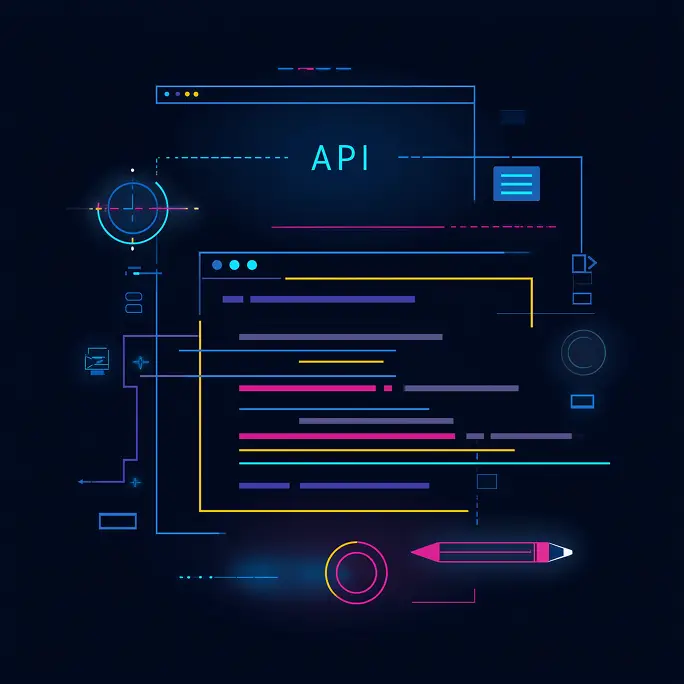
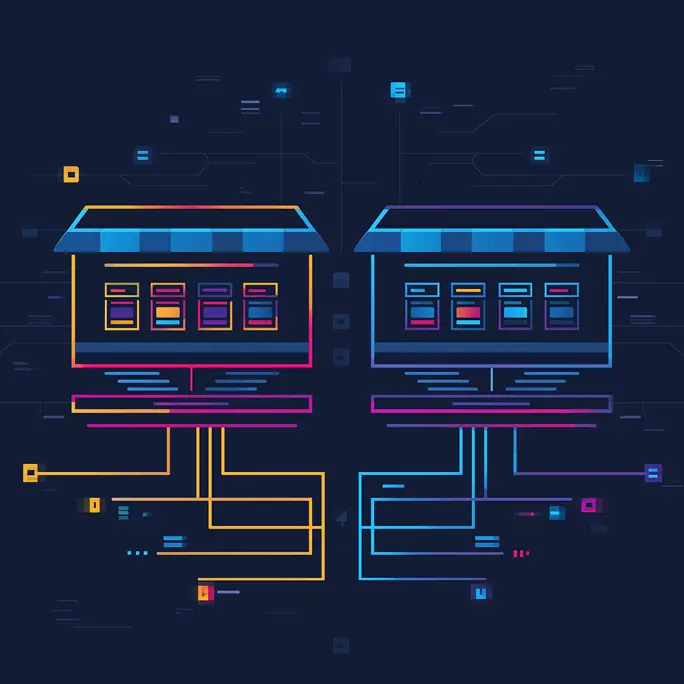
Read the case studyHeadless commerce separates the frontend presentation layer from backend commerce functionality through APIs. This architectural headless approach provides flexibility that monolithic platforms can't match. Frontend teams can build custom experiences without touching commerce logic. New touchpoints get added without platform rebuilds. Content management becomes independent from commerce operations. Performance improves through specialized optimization at each layer. A headless CMS functions as a centralized content management system that powers content delivery across all channels. The separation of content management from commerce logic is fundamental to headless commerce success.
Traditional monolithic platforms couple presentation tightly with commerce functionality. This coupling creates constraints that limit innovation and slow development. Changes to the storefront risk breaking checkout logic. New channel additions require expensive customization. Headless architecture eliminates these constraints by treating the commerce engine as a service consumed by various frontends through well-defined APIs. A modern headless CMS manages content separately from commerce data. Headless commerce enables independent evolution of content and commerce capabilities. An enterprise headless CMS provides the content management foundation for multi-channel experiences. A headless commerce platform allows you to craft unique digital experience strategies that differentiate your brand while maintaining robust commerce functionality.
Headless approaches benefit enterprises particularly well because organizational complexity increases with size. Different teams own different touchpoints. Marketing controls brand experience. IT manages commerce infrastructure. Business units may operate semi-independently. Headless architecture allows these teams to work in parallel rather than competing for scarce development resources on a shared monolithic system. Each team can work with their preferred headless CMS and tools. Successful content management requires a robust system that integrates with headless commerce implementations. Selecting the best headless commerce solution for your enterprise depends on scalability requirements, integration needs, and team capabilities. The right headless CMS platform empowers content teams while maintaining governance and brand consistency. Every content creator benefits from intuitive workflows that don't sacrifice the flexibility needed to deliver exceptional user experience across all channels.
Enterprise systems benefit from microservices architectures where functionality gets divided into independent services that communicate through APIs. Catalog management, pricing, inventory, checkout, and order management can scale independently based on load. Teams can deploy changes to individual services without coordinating entire platform releases. This architectural approach, often referred to as composable commerce, improves both scalability and organizational agility. A headless CMS fits naturally into this microservices ecosystem. Headless commerce thrives in microservices environments where each service handles specific business capabilities. Proper content management within a microservices architecture requires careful API design between the headless CMS and commerce services.
Microservices require sophisticated API design to work properly. Service boundaries must align with business capabilities. APIs need versioning strategies that allow changes without breaking consumers. Service mesh technologies handle communication complexity. Event-driven architectures propagate changes across services. These patterns require expertise that general web developers often lack but that enterprise development demands. Integration between commerce services and a headless CMS requires careful API coordination. The commerce layer must expose clean, well-documented APIs that frontend systems and content management platforms can consume reliably.

Enterprise e-commerce platforms serve millions of users and process enormous transaction volumes. Performance optimization becomes critical rather than optional. Slow page loads lose customers and revenue. Database queries must remain fast with billions of records. Search needs to return relevant results instantly from massive catalogs. Caching strategies must invalidate intelligently. CDN configurations require global optimization. An enterprise CMS must maintain performance even when managing vast amounts of content across multiple channels. Efficient content management practices prevent performance degradation as content libraries grow.

We architect for performance from the beginning rather than treating it as an afterthought. Database schemas use partitioning and sharding strategies that maintain query speed as data grows. Caching layers reduce database load through intelligent cache warming and invalidation. Search implementations use specialized search engines rather than database queries. Image optimization happens automatically at multiple sizes for different devices and contexts. A well-designed headless setup separates performance optimization concerns, allowing each layer to scale independently based on specific demands. The right platform architecture ensures consistent performance even during traffic spikes.

Load testing validates that systems maintain performance under realistic traffic patterns and unexpected spikes. We simulate peak loads, test failure scenarios, and identify bottlenecks before they impact production. Performance monitoring in production catches degradation early. This comprehensive approach to performance prevents the slowdowns that plague many enterprise platforms as they scale. Maintaining exceptional customer experience requires constant vigilance over performance metrics and proactive optimization.
Enterprise e-commerce never operates in isolation. Deep integration with ERP systems synchronizes inventory, pricing, and order data. CRM integration provides unified customer views across touchpoints. Warehouse management systems receive fulfillment instructions. Accounting software gets transaction details. Master data management systems distribute product information. These integrations form the nervous system of enterprise commerce operations. An enterprise headless CMS must facilitate reliable data exchange with all these systems. Headless commerce architectures simplify integration by exposing well-defined APIs for all enterprise systems.
Integration complexity at enterprise scale exceeds what small businesses face. Data volumes are larger. Synchronization requirements are more stringent. Business logic is more complex. Legacy systems lack modern APIs. Multiple ERP instances may serve different regions or business units. As both an enterprise ecommerce agency and integration specialist, we handle these challenges through robust middleware, intelligent mapping, and error handling that maintains operations even when individual systems have issues. Enterprise CMS platforms must synchronize content across multiple platforms and all these integrated systems. Strategic content management secures consistency across every integrated touchpoint.
Enterprise e-commerce handles sensitive customer data, payment information, and proprietary business logic. Security cannot be an afterthought. We implement defense-in-depth strategies with multiple security layers. Authentication and authorization control access appropriately. Encryption protects data in transit and at rest. Security monitoring detects anomalies. Vulnerability scanning identifies potential issues before attackers exploit them.
Compliance requirements vary by industry and geography. PCI DSS governs payment processing. GDPR regulates European customer data. CCPA covers California residents. Industry-specific regulations like HIPAA or SOX may apply. We build compliance into platform architecture rather than bolting it on afterward. Audit logging captures required information. Data handling respects regulatory requirements. This approach prevents expensive remediation when compliance audits reveal gaps. Enterprise headless CMS solutions must include robust security and compliance capabilities to protect sensitive content and customer data across all channels.
Working with a specialized enterprise e-commerce partner means engaging professionals who understand the unique challenges of operating at scale. We bring experience with complex business requirements, high-performance architecture, enterprise integration patterns, and the organizational dynamics of large technology projects.
We focus on enterprise-scale projects rather than treating large businesses as bigger versions of small ones. This specialization means we understand the patterns, technologies, and approaches that work at scale. Our team has delivered platforms handling millions of products, processing billions in annual revenue, and serving global customer bases across multiple regions and channels.
Traditional monolithic platforms limit enterprise flexibility and slow innovation. We specialize in modern architectures using headless approaches, microservices patterns, and API-first design. These architectural choices provide the flexibility and scalability that enterprise operations demand while reducing technical debt that constrains future development. Our headless CMS integrations give marketing teams autonomy over content.
Enterprise e-commerce success depends on robust integration with existing business systems. We excel at the complex integration work that enterprise projects require. Our experience spans all major ERP, CRM, and warehouse management platforms. We handle legacy systems, complex data mapping, and the error handling that keeps integrations reliable under real-world conditions.
Enterprise platforms must maintain performance under significant load. We bring deep expertise in performance engineering including database optimization, caching strategies, CDN configuration, and infrastructure scaling. Load testing validates performance before launch. Monitoring catches issues in production. This focus on performance prevents the slowdowns that damage customer experience and conversion rates.
Stop struggling with platforms that weren't built for your complexity. Our enterprise e-commerce expertise has helped major brands build platforms that handle their scale, integrate with their systems, and provide the flexibility their operations demand. Schedule your enterprise consultation today.
Whether it’s a new storefront or a stronger brand,
tell us what you have in mind.