




BigCommerce Development
Dunning Golf
Campaign Management · Email Automation · Custom Design
Read the case studyOrder data that doesn't sync between your storefront, fulfillment system, and accounting platform causing operational chaos
Inventory discrepancies across channels that lead to overselling, stockouts, and frustrated customers
Customer information trapped in separate systems preventing personalized experiences and accurate reporting
Manual data entry between platforms that wastes time, introduces errors, and slows order processing
Slow integrations that can't handle traffic spikes during promotions or peak shopping seasons
Real-time order routing that flows purchase data instantly from storefront to fulfillment to accounting
Accurate inventory synchronization across all sales channels that prevents overselling and maintains stock visibility
Unified customer profiles that combine purchase history, support interactions, and marketing engagement in one view
Automated data flow that eliminates manual work and reduces errors across your entire commerce operation
Scalable architecture that handles Black Friday traffic volumes without slowdowns or failures that degrade customer experience that impact customer experience
Most ecommerce integration projects fail because teams underestimate commerce-specific complexity. They build generic integrations that don't account for order workflows, inventory logic, or payment processing requirements. The result? Systems that break during checkout, lose orders, or corrupt inventory data. As specialists in ecommerce integration development services, our process puts commerce logic first, generic solutions never, and tests under load. We use order flow validation, inventory reconciliation checks, and performance benchmarking to validate every integration, so your ecommerce tech stack integration services deliver reliable operations instead of creating support nightmares. Poor ecommerce middleware costs sales, frustrates customers, and creates expensive manual workarounds. Our clients see order processing time reduced by 75%, inventory accuracy improved to 99.5%, and support tickets related to order issues decreased by 80%. Better middleware creates better commerce operations and higher revenue.
BigCommerce Development
Campaign Management · Email Automation · Custom Design
Read the case study


Platform Migration
Accessibility Compliance · Custom Development · UX Audit
Read the case studyWe start by understanding your complete ecommerce ecosystem and how data should flow between systems. Technical audits document your commerce platform, ERP, OMS, WMS, CRM, marketing automation, and all other systems in your stack. Stakeholder interviews reveal which integrations cause the most operational problems and where automation would have the biggest impact. We map order flows, inventory updates, customer synchronization, and payment processing to understand your complete commerce operation. Our discovery process includes reviewing API documentation, analyzing transaction volumes, and understanding business rules that govern order processing, inventory management, and customer communication. We evaluate whether your ecommerce platform and existing ecommerce software can support your growth or if you need a more robust integration solution.
We want to understand your peak traffic patterns, order complexity, channel strategy, and any compliance requirements that might impact integration design. We evaluate your existing integrations to identify what works and what needs rebuilding. We also assess your team's technical capabilities and operational processes to determine appropriate monitoring and support strategies. Comprehensive discovery prevents integration failures during your busiest shopping periods. Whether you need a standard connection or a custom integration for your unique ecommerce system requirements, we plan accordingly. Whether you need a standard connection or a custom integration for your unique ecommerce system requirements, we plan accordingly.
Architecture decisions come first. We design your ecommerce middleware layer before writing code, selecting the right patterns and technologies for commerce-specific requirements. We know that ecommerce architecture differs from general business integrations. Order data has strict accuracy requirements. Inventory updates need real-time synchronization. Payment processing requires security and compliance. We evaluate middleware patterns, message queues, API middleware solutions, API gateways, and caching strategies that handle commerce transaction patterns reliably. Choosing the right integration software and middleware integration approach is critical to long-term reliability.
Your commerce integration layer needs to balance speed, accuracy, and reliability. We select proven ecommerce technologies that handle high transaction volumes during peak periods. Every architectural choice serves a purpose, whether it's processing thousands of orders per hour, synchronizing inventory across dozens of warehouses, or maintaining customer session data across systems through an application server infrastructure. Our API integration services for ecommerce focus on building middleware that performs reliably when revenue is on the line. When you need to build middleware for ecommerce services, architecture planning prevents expensive production failures. The right middleware solution combined with a robust integration platform creates the foundation for scalable commerce operations.

Every successful ecommerce middleware project follows a phased approach. We start with core order flow integration. This includes order creation, payment processing, order fulfillment routing, and status updates. We prioritize the revenue-generating workflows that your business depends on. Our structured approach keeps critical commerce functions reliable while adding capabilities incrementally.
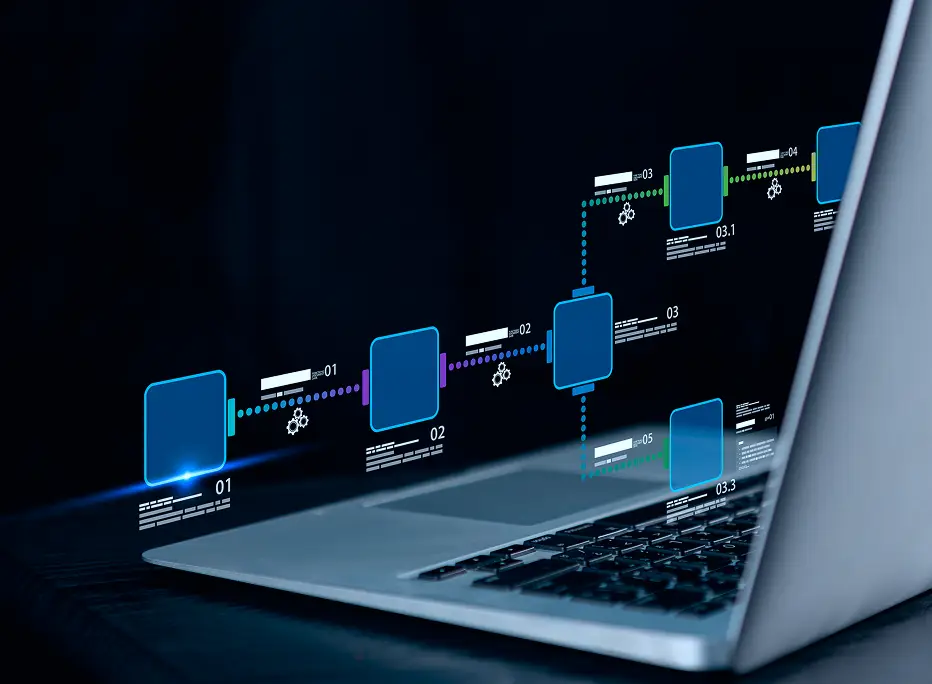
Before building advanced features, we establish integration patterns for your commerce ecosystem. How will inventory updates propagate across channels? What's the order of operations for customer information? How will payment failures be handled? We implement proper error handling, idempotency for financial transactions, and monitoring that provides visibility into every order. With foundations in place, we build additional integrations iteratively. Each phase delivers working functionality that you can test with real orders. Our middleware integration approach prioritizes reliability and performance under real-world conditions.

We build with ecommerce-specific best practices. Transactional integrity for orders, eventual consistency for inventory, proper handling of payment webhooks, and idempotent operations for financial data happen throughout development. From simple product syncs to complex order orchestration and every integration point in between, we maintain data accuracy and system reliability. Our team writes code that handles the edge cases common in ecommerce like split shipments, partial refunds, and backorders. We provide backend development services for ecommerce that scale reliably during peak shopping periods.
Many ecommerce integration projects fail because teams make predictable mistakes. Treating orders like generic data records leads to lost transactions and accounting discrepancies. We implement proper transactional handling with rollback capabilities and audit trails for every order. Ignoring inventory race conditions causes overselling when multiple customers purchase the same item simultaneously. We design inventory updates with proper locking and conflict resolution.
Poor error handling for payment webhooks creates financial discrepancies and customer service nightmares. We implement reliable webhook processing with duplicate detection and failure recovery. Synchronous integrations that block checkout cause abandoned carts when external systems are slow. We use asynchronous patterns that keep checkout fast regardless of downstream system performance. Inadequate load testing means integrations fail during promotions when traffic spikes. We implement middleware solutions for scaling ecommerce operations under realistic peak traffic conditions. Protecting customer experience during high-volume periods requires proper architecture and testing. Poor customer experience during checkout directly impacts revenue, so we prioritize performance and reliability above all else.
Before launch, we test everything with ecommerce-specific scenarios. We validate complete order flows from cart to fulfillment. We test inventory updates across all channels under concurrent load. We verify payment processing, refund handling, and financial reconciliation. Load testing confirms your middleware handles peak traffic volumes without slowdowns. We test failure scenarios like downstream system outages, payment gateway timeouts, and inventory conflicts.
Deployment isn't just pushing code to production. We implement monitoring that tracks order flow completion rates, inventory sync lag, payment processing success rates, and API response times. We set up alerts for critical failures like orders stuck in processing, inventory sync delays, or payment webhook failures. We integrate with tools like Google Analytics to provide visibility into how integrations impact conversion rates and customer behavior. Launch day is just the beginning. We monitor integration health during your first few busy periods, optimize performance based on actual traffic patterns, and add capabilities as your commerce operation grows.
We've built hundreds of ecommerce integrations across platforms and business models. We know order workflows, inventory patterns, payment processing requirements, and the technical details that make commerce integrations reliable during peak traffic. Our experience spans Shopify, BigCommerce, Magento, custom builds, and enterprise platforms. When technical decisions account for commerce-specific requirements, integrations stay stable during your busiest revenue periods.
We don't build generic integrations for ecommerce problems. Every architectural choice is informed by commerce requirements, transaction volumes, and revenue impact. Your middleware is designed to handle order complexity, inventory accuracy, and payment security. We identify critical revenue flows and prioritize them ruthlessly. Our system integration solutions for ecommerce focus on reliable operations during the moments that matter most to your business, from checkout to fulfillment to inventory management.
From planning to launch, we handle everything. We manage discovery, architecture design, middleware development, testing, deployment, and monitoring. Our developers write reliable integration code while our project managers keep everything on schedule. Every integration is tested under load for peak traffic performance. You get a complete solution that works when orders are flowing.
Launch day starts the optimization phase. We monitor integration health during your first promotion cycles, analyze performance under real traffic, and optimize based on actual usage patterns. The first few peak periods reveal opportunities for refinement we couldn't have anticipated. We provide ongoing support, handle platform updates, maintain integrations, and add capabilities as your business grows and your commerce needs evolve.
Stop losing orders and fighting inventory discrepancies. Partner with ecommerce integration specialists who understand both commerce operations and technical architecture. Contact our team today to discuss your ecommerce middleware needs and discover how proper integration infrastructure can automate operations, improve accuracy, and support your growth without constant technical firefighting.
Whether it’s a new storefront or a stronger brand,
tell us what you have in mind.